
The Magawa Blog
Networking, cybersecurity best practices, firewall configuration and technical life hacks — from the home lab to production.

From Design to Build: Jacqueline's Personal Portfolio Website
How do you build one portfolio for someone who is both an aviation-trained Student Pilot and a rising cybersecurity engineer? This is the full design-to-build story of jacqmagawa.com — the throughline, the logbook-style flight timeline, the galleries, and why a hand-built static site was the right call.
Read article
Static vs React: Two Ways to Build a Portfolio
I built two portfolios back to back — one a hand-crafted static site, the other a React app with a FastAPI + MongoDB backend. Here's an honest, side-by-side comparison of when to go static, when to reach for a framework, and how to choose.

What Is TensorFlow? How It Works and Why It Matters to AI
A plain-English guide to TensorFlow: what tensors and computational graphs are, how models are trained and deployed, a short Keras example, TensorFlow Lite, TensorFlow vs PyTorch, and why this framework matters to modern AI.

TensorFlow vs PyTorch: Which Should You Learn?
An honest, practical comparison of the two dominant deep-learning frameworks — where each came from, the static-vs-dynamic myth, side-by-side code, a feature table, and a clear recommendation on which to learn first and why.

What Is AI? Machine Learning and LLMs Explained (and How They Actually Work)
A plain-English guide to artificial intelligence: how machine learning lets computers learn from examples, and how the Large Language Models behind ChatGPT really work under the hood.
 Trending
From Design to Build: Catherine's Personal Portfolio Website
A behind-the-scenes case study of designing and building cathemagawa.com — from a one-line brief to a shipped, responsive React portfolio for an epidemiologist.

From HTML, JavaScript, CSS & Tailwind to React: An E-commerce Deployment
How I migrated CarryHub — a curated tech-accessories store — from static HTML, CSS, JavaScript and Tailwind into a fully interactive React e-commerce app, and deployed it.
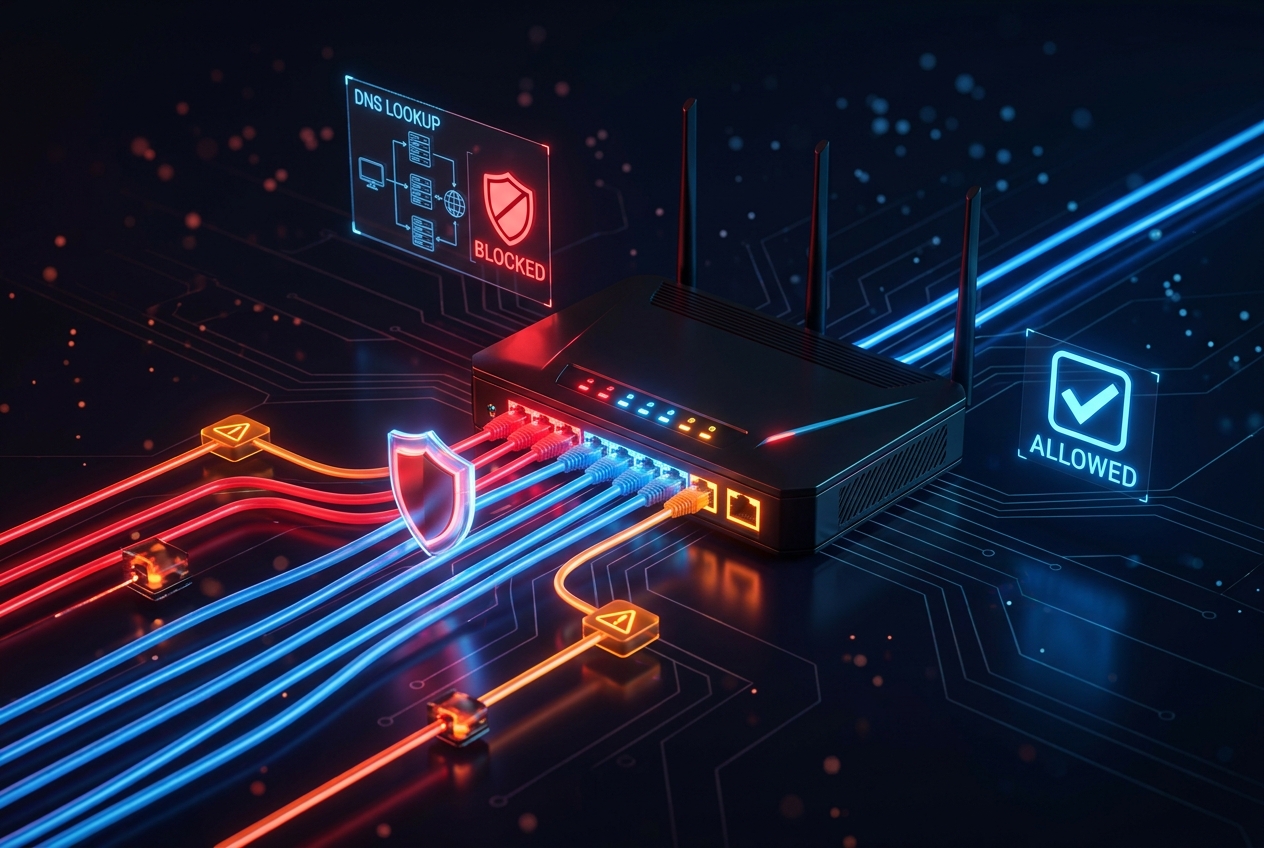
DNS Security: Filtering and Blocking Malicious Domains on the Router
Your router sees every DNS query on the network — which makes it the perfect place to block malware, phishing, and command-and-control domains before a device ever connects to them.
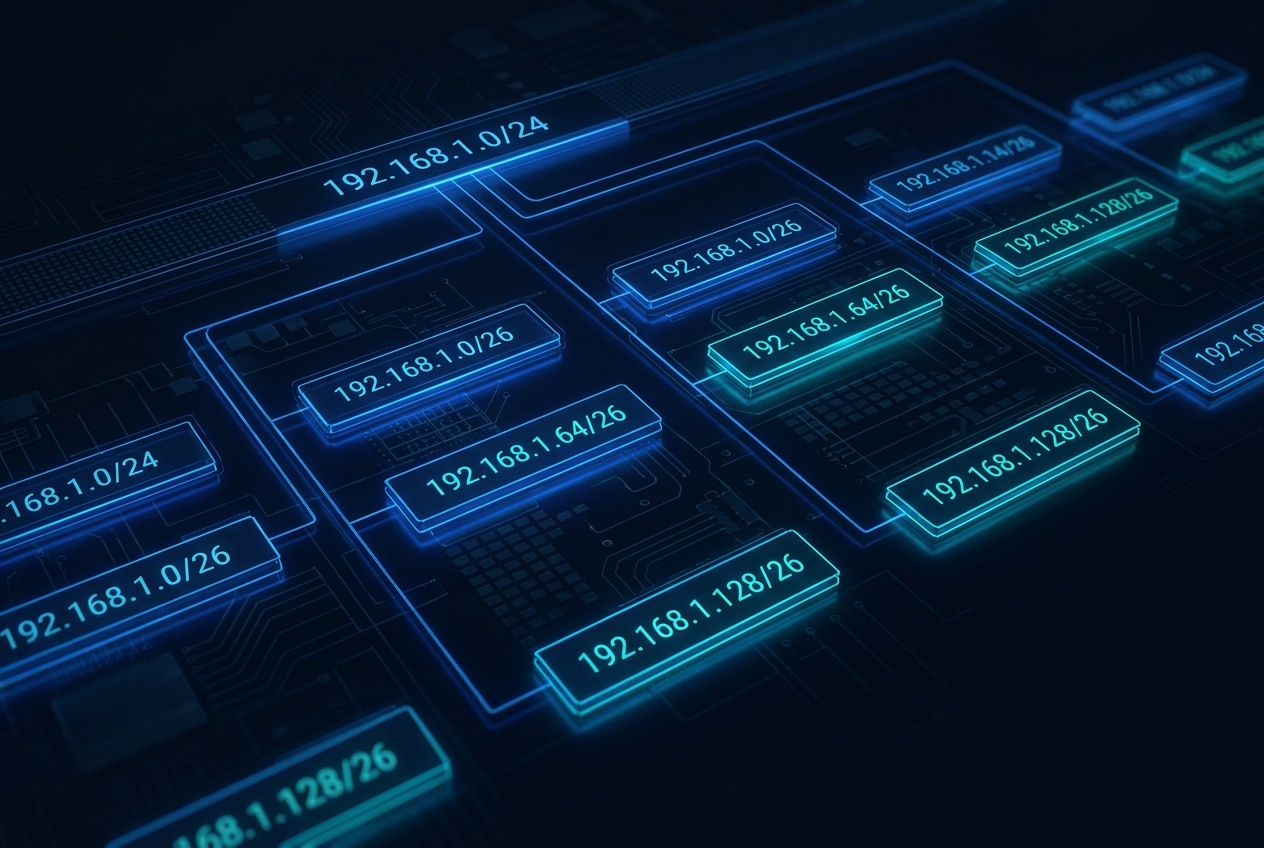
Subnetting Made Simple: Carving Up IP Networks
Subnetting looks intimidating but it's just organized division. Learn how subnet masks, CIDR, and hosts-per-subnet work — with a clear worked example.
 Trending
How SIEM Works: Turning Log Noise into Security Signal
A SIEM collects logs from everywhere, correlates them, and surfaces the handful that actually matter. Here's how the pipeline works and how to get real value from it.
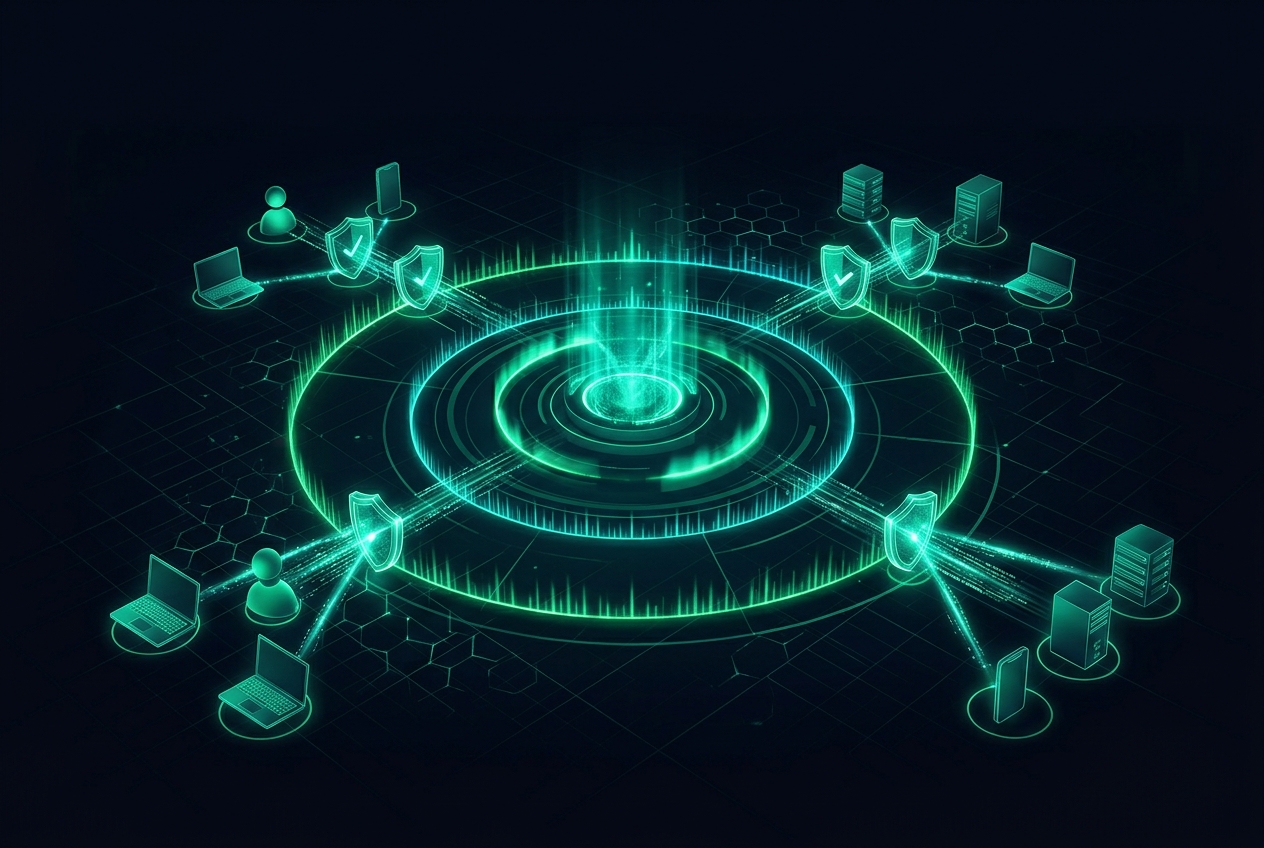
Zero Trust Explained: Never Trust, Always Verify
The old castle-and-moat model is dead. Here's how Zero Trust works, its core principles, and a practical path to adopting it without boiling the ocean.
 Trending
Cisco Router Hardening: A Baseline for Maximum Performance & Security
A hands-on baseline for taking a Cisco IOS router from box-fresh to production-ready — secure access, sane interfaces, routing, and the hardening steps most people skip.

Inside a Firewall: How It Decides What Gets In and What Gets Dropped
From simple packet filtering to stateful inspection and next-gen deep packet analysis — how firewalls decide what gets in, what gets dropped, and why.
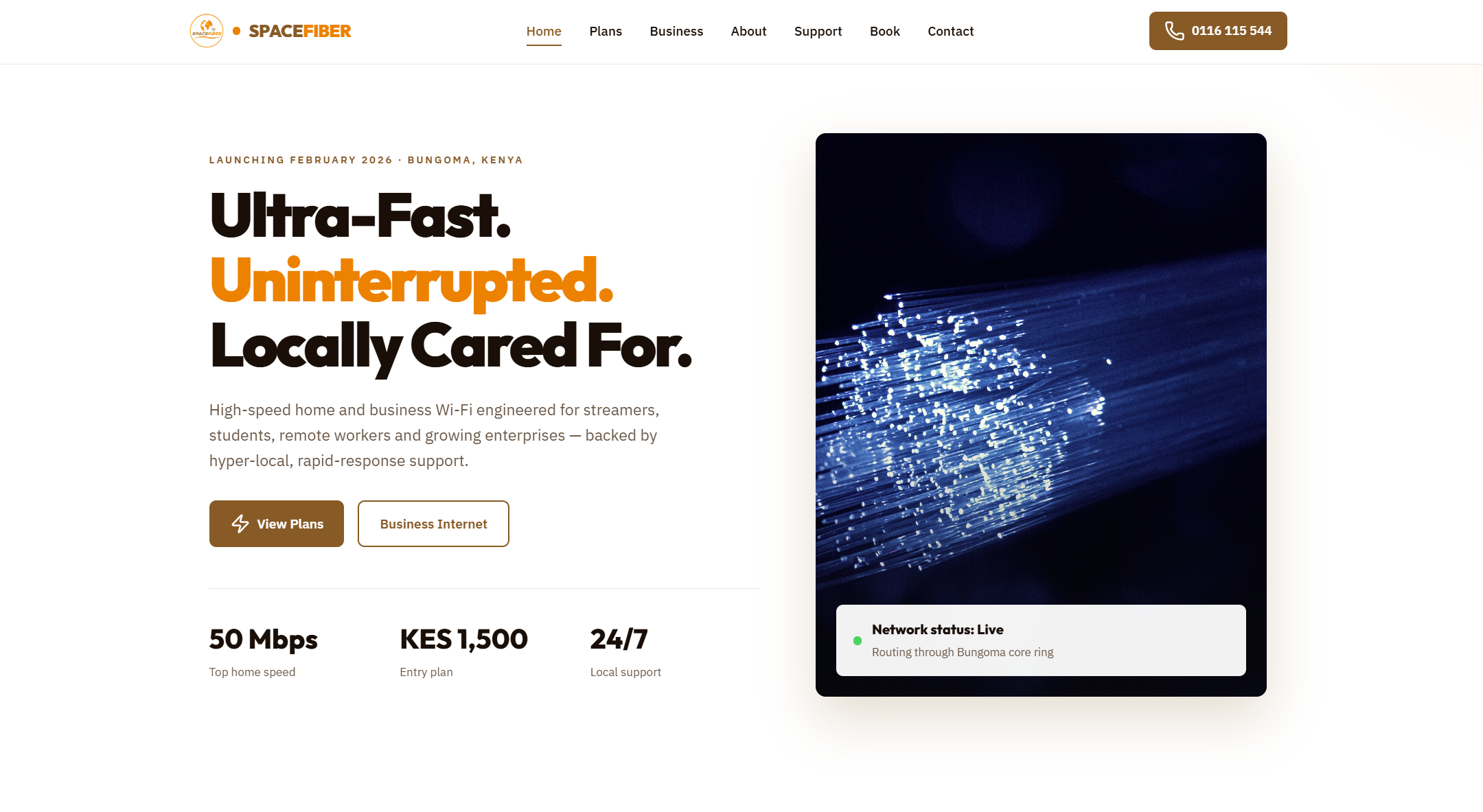
From Design to Build: Space Fiber is a Network Solution for Bungoma, Kenya
Space Fiber is Bungoma County's home-grown ISP, delivering ultra-fast fiber to homes and small businesses across ten towns. Pick a plan from 10 to 50 Mbps, pay in seconds with M-Pesa STK Push, and our local technicians activate the line the same day — no long contracts, no hidden fees.

VPNs Explained: How the Encrypted Tunnel Works — and Its Real Pros & Cons
What actually happens to your traffic the moment you hit “Connect”? A plain-English look inside the encrypted VPN tunnel — how it hides your data and IP, what it quietly can't protect, and the real pros and cons before you trust one.
 Trending
From Design to Build: How I Built magawa.website
Every portfolio answers one question: can a visitor trust this person with something technical in the first five seconds? This is the full design-to-build story of magawa.website — turning a single brief into a fast, secure, dark-themed portfolio for an AI Engineer, Cybersecurity Analyst, and Network Engineer.
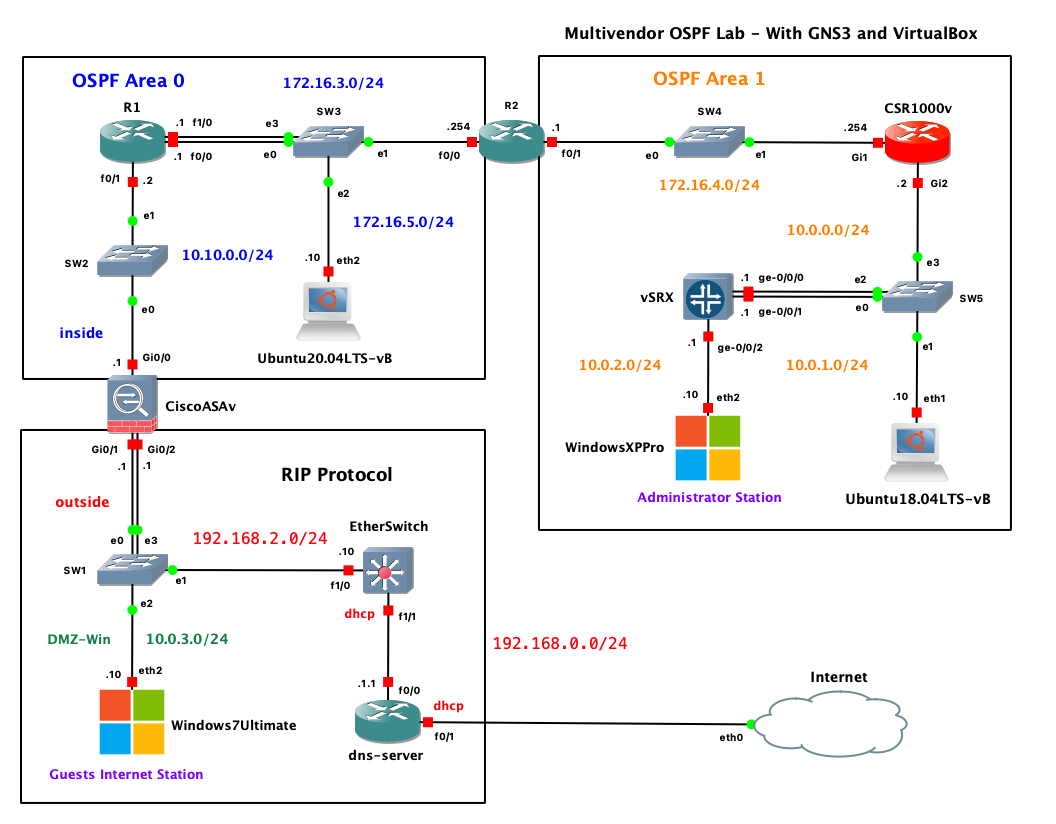
Multi-Area OSPF in GNS3: A Cisco + Juniper Multivendor Lab
Build a multi-area OSPF network in GNS3 across three network operating systems — Cisco IOS, IOS-XE and Juniper Junos. Area 0 backbone, an ABR, the multivendor gotchas that break adjacency, and the show commands that prove it works.
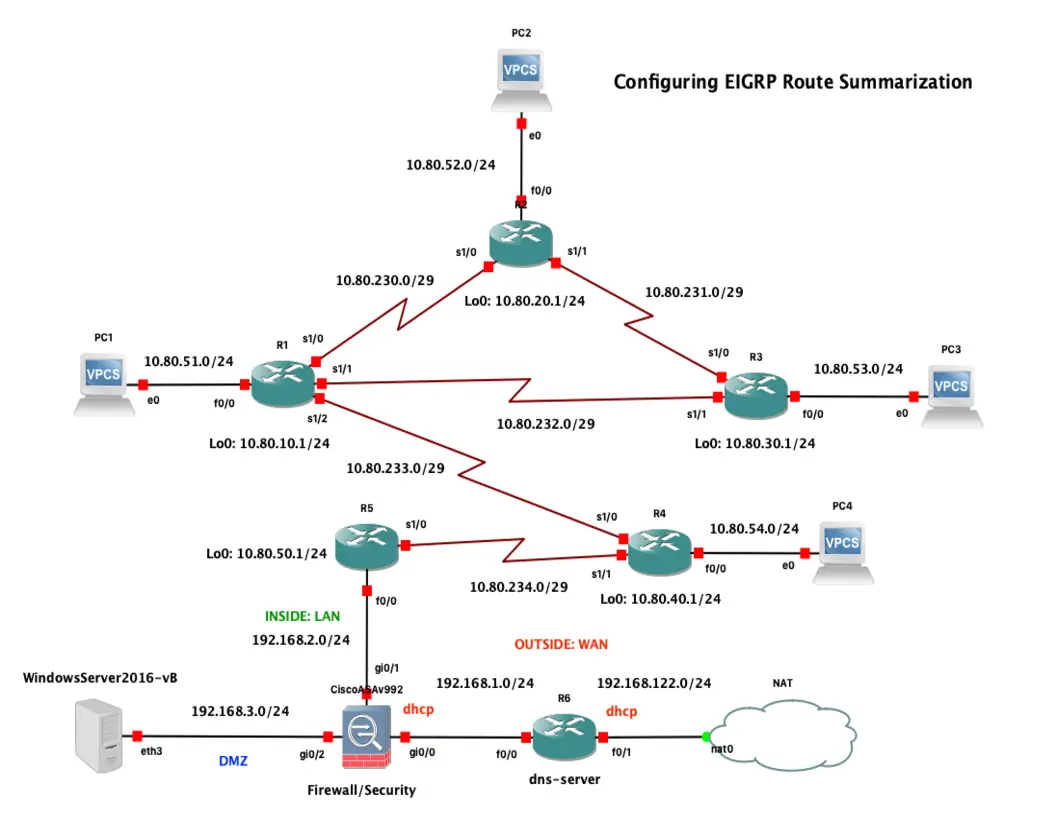
Cisco IOS Lab: EIGRP Route Summarization for Scalable Networks
Big routing tables are slow to converge and easy to break. In this Cisco IOS lab I use EIGRP manual summarization to collapse a sprawl of subnets into a single advertised route — shrinking the table, speeding convergence, and containing query scope, with the exact config and the show output that proves it.
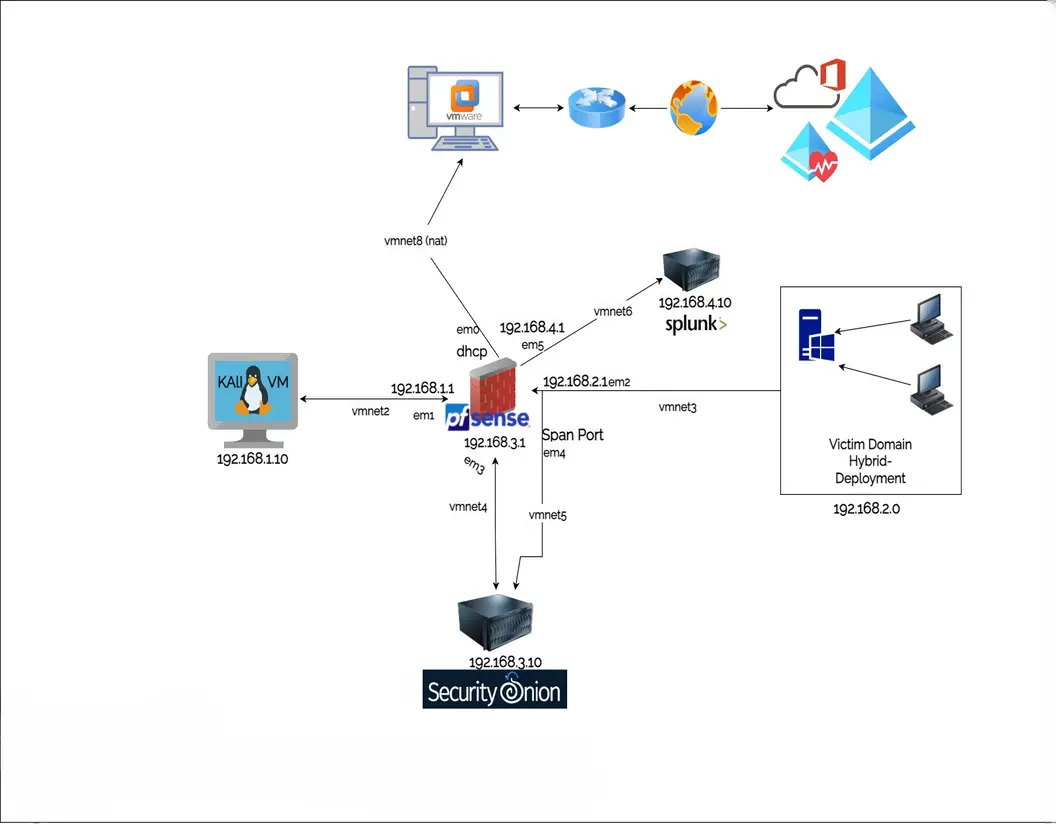
Cybersecurity Lab: Network Traffic Detection and Analysis
Attacks hide inside ordinary-looking traffic. In this home-lab build I capture live packets, feed them through an IDS, and hunt for the tell-tale signals of an intrusion — scans, beacons, exfil — turning raw PCAPs into detections you can actually act on.
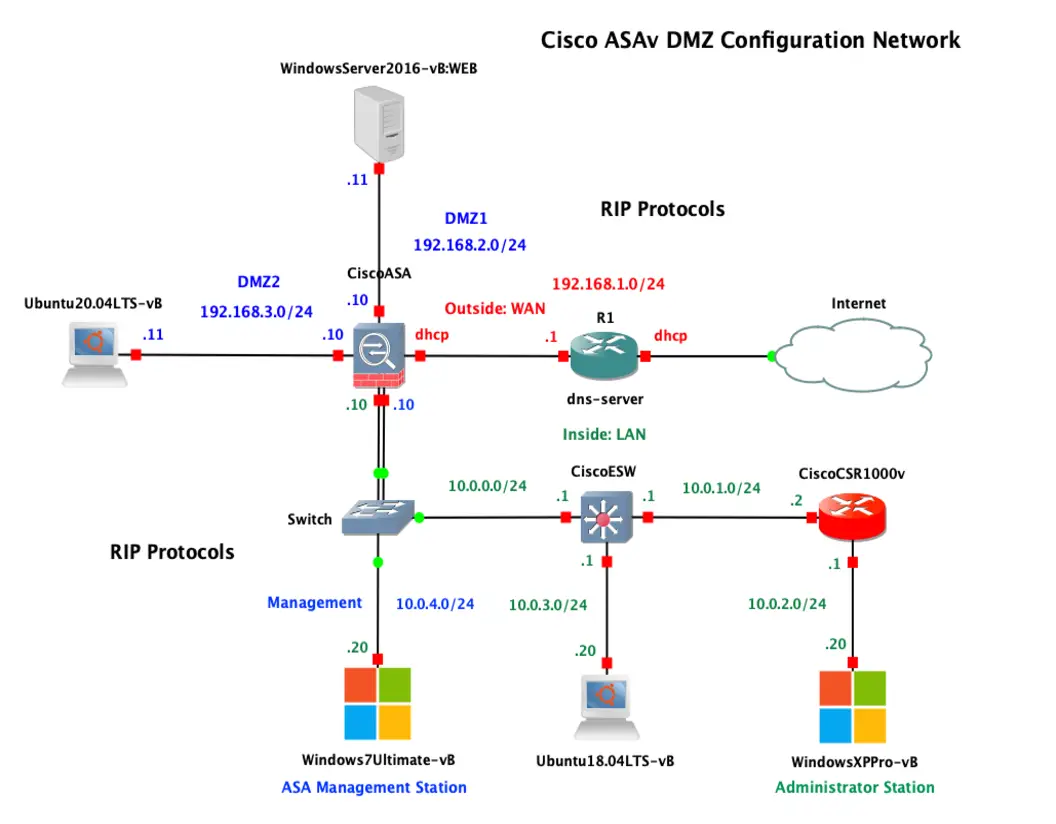
Cisco ASAv Multi-DMZ Configuration and RIP Routing Architecture
A hands-on Cisco ASAv lab: stand up two isolated DMZ segments, publish a web server safely, contain the blast radius with security levels and ACLs, and run a RIPv2 routing architecture across the inside LAN — full config plus the tests that prove it works.
 Trending
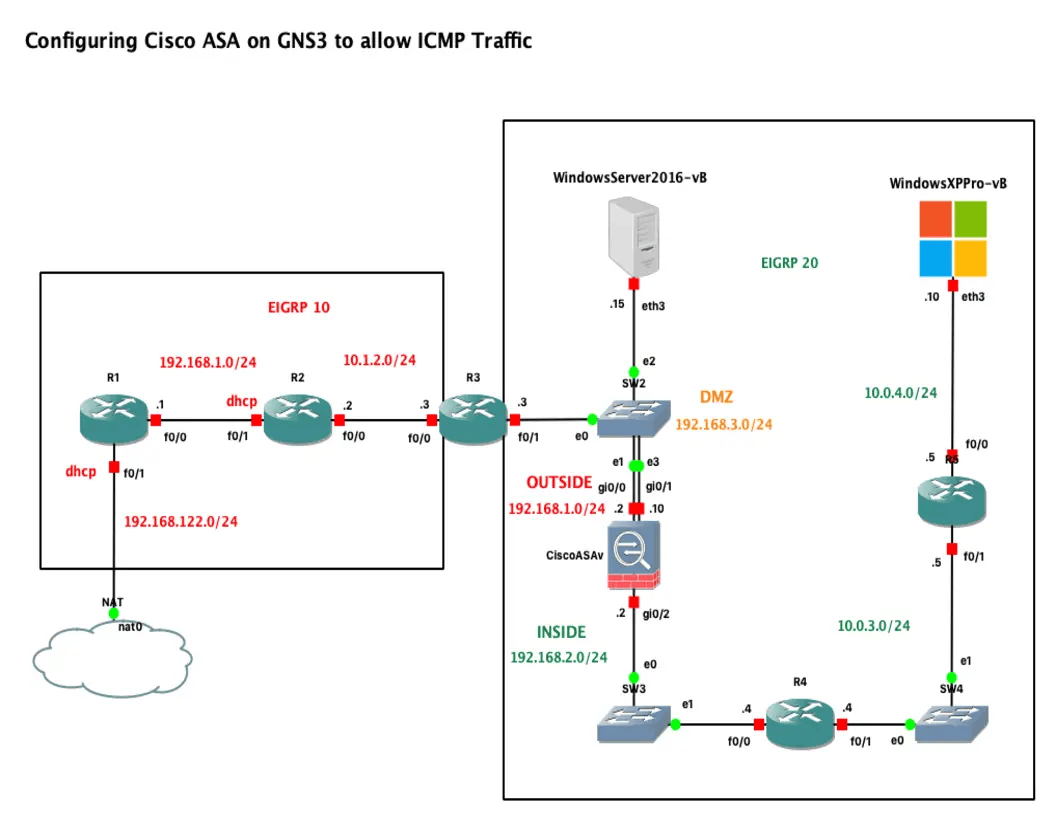
Allowing ICMP Traffic Through the Cisco ASA Firewall
Why ping dies at the Cisco ASA — and how to fix it. Enabling ICMP inspection across a dual-EIGRP GNS3 lab, with the config and the verification tests.

From Front-End to Back-End: Design and Deployment
A behind-the-scenes look at how we design, build and deploy modern web platforms — from the first pixel to a live, production-ready site.
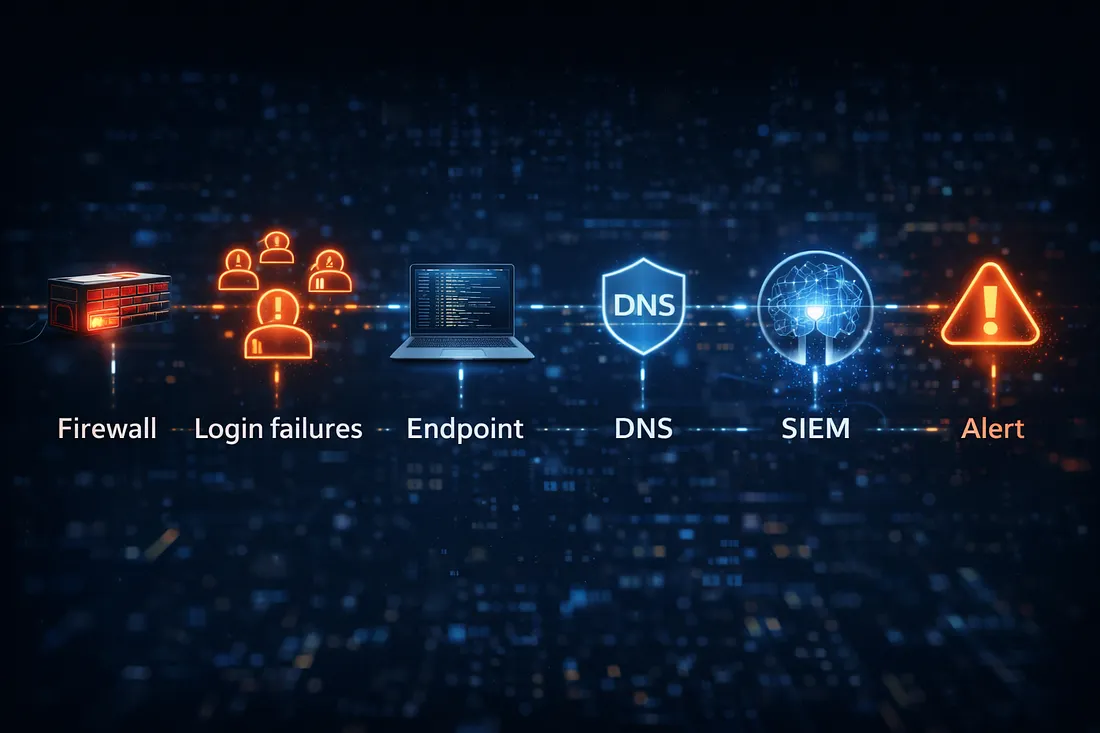
From Logs to Alerts: Getting Started with SIEM
How a Security Information and Event Management platform turns raw noise into actionable detections — and how to start with Splunk.

Building a Cybersecurity Home Lab from Scratch
Everything you need to spin up a safe, isolated lab for practicing detection, incident response, and offensive techniques.

Hardening Your Home Network with a Next-Gen Firewall
A practical walkthrough for turning a basic home router setup into a segmented, defensible network using pfSense or OPNsense.

Building an Incident Response Playbook That Actually Works
A playbook you only write after an incident is a post-mortem. Here is how to build one before the alarm goes off — so your team acts calmly instead of scrambling.
Phishing Defense: Spotting and Stopping Social Engineering
Attackers target people, not just systems. Learn the tells of a phishing attempt and the habits that stop them cold.
OSPF vs EIGRP: Choosing the Right Interior Routing Protocol
Both OSPF and EIGRP can route your internal network well — but they get there very differently. Here is a practical guide to picking the right one for your topology.
Never miss a post
Get new cybersecurity and networking write-ups straight to your inbox. No spam — unsubscribe anytime.